 English
 ខ្មែរ
ខ្មែរ
Phnom Penh's Housing Crisis: Addressing the Shortage of Affordable Homes
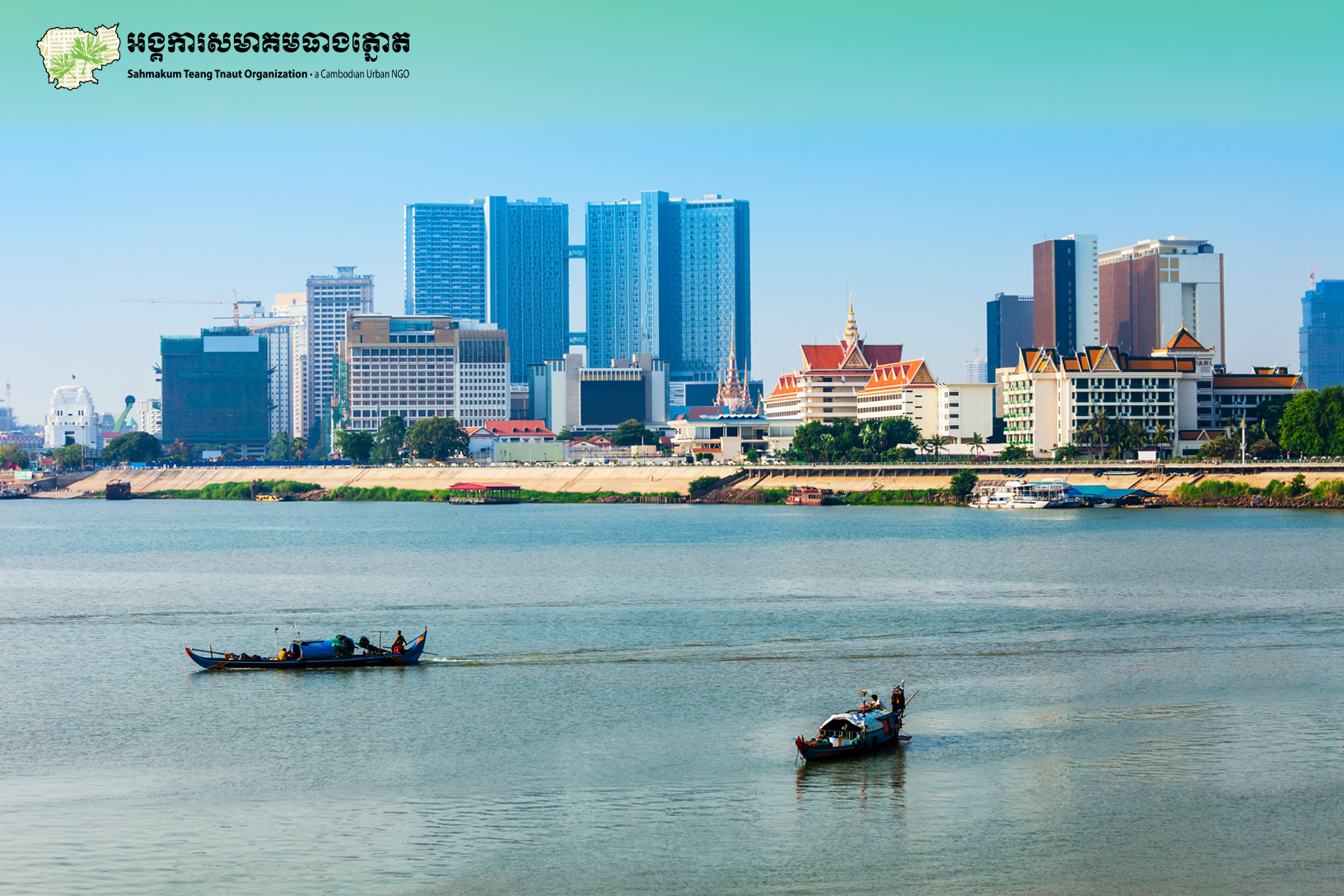
Phnom Penh has seen remarkable progress over the past 10 years in the construction, economic, and commercial sectors. If we look from Phnom Penh International Airport to Chroy Changvar district and from the front of the Royal Palace to Toul Kork District, we see many international-scale hotel and commercial buildings, showing off their attractive sky gardens. As for large and modern residential projects, there are also many more diverse projects compared to traditional Cambodian housing projects. Peng Huot Boeung Snor Project, Chip Mong Land Project, Borey Orkide, they are all luxurious contemporary residential projects worth millions of dollars, highlighted by civilized community infrastructure, schools, shopping malls, amusement parks, and green gardens. These demonstrate the high level of growth in the housing sector in Cambodia, especially in the Phnom Penh metropolitan area. Nevertheless, how many Phnom Penh residents will be able to afford those houses?
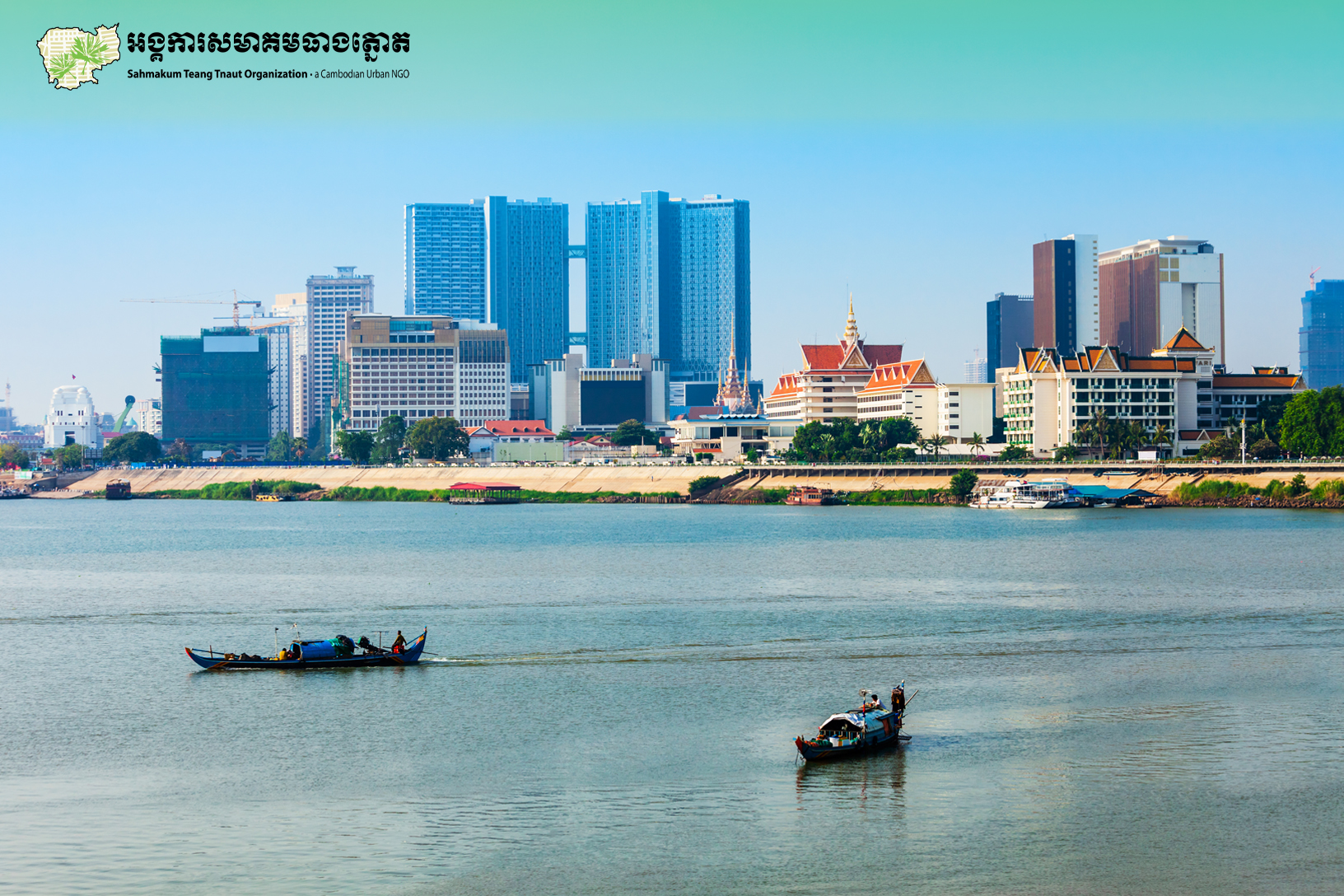
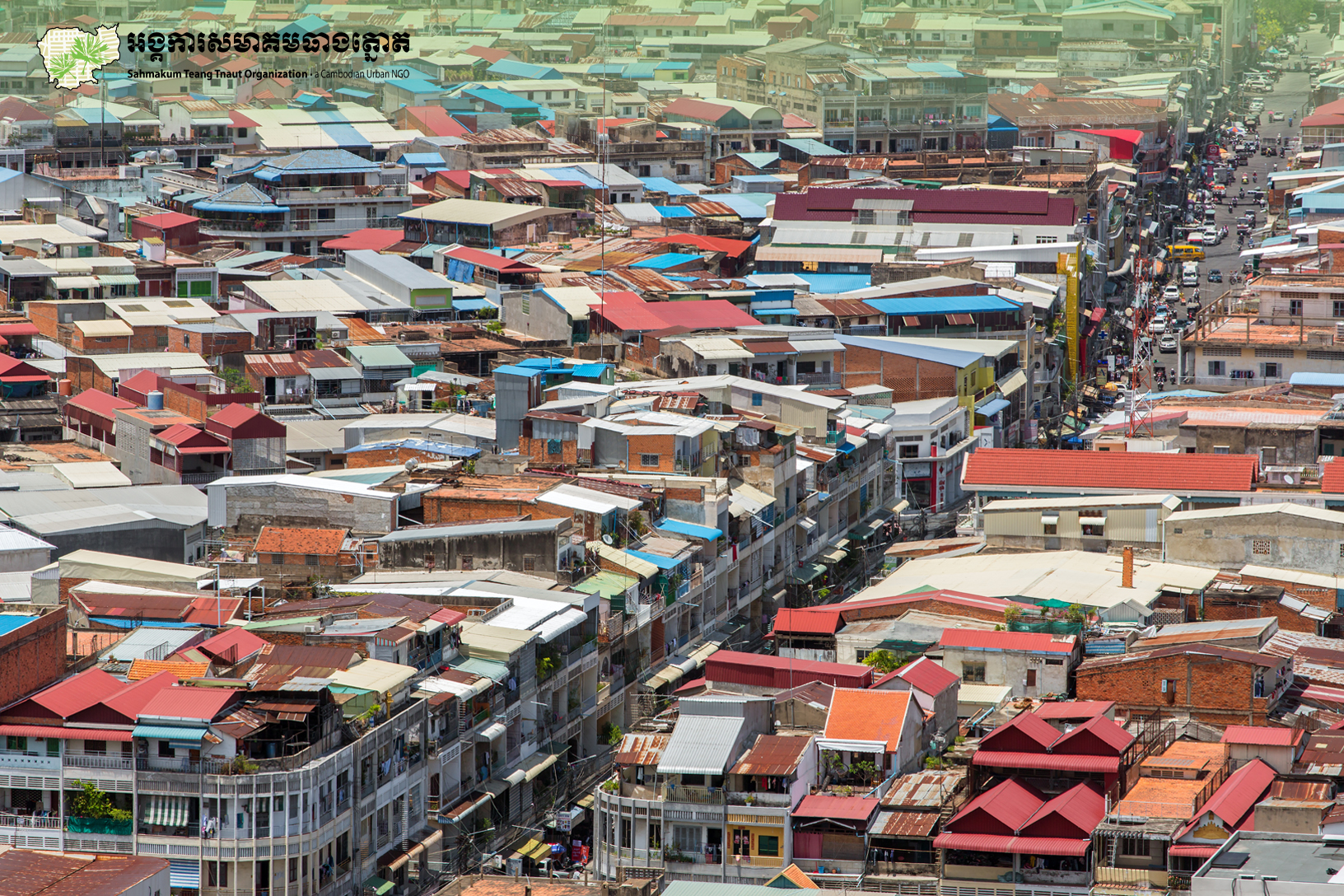
Image: Suburban houses next to city buildings show the future of the housing gap in Phnom Penh
What national laws and legal standards promote affordable housing in Cambodia?
Indeed, Cambodia does not yet have a comprehensive law requiring the state to provide and guarantee the right to adequate housing for Cambodian citizens. But if we analyze in detail Article 31 of the Constitution of the Kingdom of Cambodia, it states: The Kingdom of Cambodia must recognize and respect human rights as stipulated in the United Nations Charter, the Universal Declaration of Human Rights, covenants and conventions relating to human rights, women's rights, and children's rights[1]. This case in point, it is possible to clarify the duties and responsibilities of the state. What is even more special is the Universal Declaration of Human Rights (UDHR) and other international human rights instruments have recognized the right to an adequate standard of living, which generally includes the right to adequate housing. More importantly, Cambodia has fully ratified this international human rights instrument. Based on the above legal grounds, we can state that: Article 31 of our national constitution clearly guarantees the state's obligations and citizens' rights to housing, which is an essential part of humanity.
Cambodia also has a Land Law (2001)[2], which is the legal basis for land management, ownership, and distribution in the country. The law is part of a plan to address the complexities of land ownership after decades of conflict and proxy-civil war. In fact, this law creates a framework for systematic land registration, which is an important step towards establishing legal land tenure and safety, a foundation that contributed to the reduction of heated land disputes across the country between 2011 and 2012[3].
National Housing Policy (2014)[4] and subsequent policies on incentives and the establishment of a national program for the development of Affordable Housing Policy (2017) represents the main framework of the Royal Government of Cambodia in its efforts to address the high demand and access to affordable housing, especially in rapidly growing urban areas like Phnom Penh. This policy is also Cambodia's first legal framework to officially define the term "affordable housing." In addition, it also assessed the level of future housing demand in Cambodia, with Phnom Penh requiring an additional 1.1 million homes by 2030. Additionally, there is also a clarification of mechanisms to strengthen state intervention, necessary policy interventions, especially the clarification of the duties of relevant ministries and banking and microfinance institutions to ensure the achievement of the national policy on affordable housing in Cambodia.
[1] Cambodia’s Constitution (Article 31 and Article 44) right to housing and land ownership.
[2] Land Law (2001) on Land registration and social land concession for household with financial difficultie
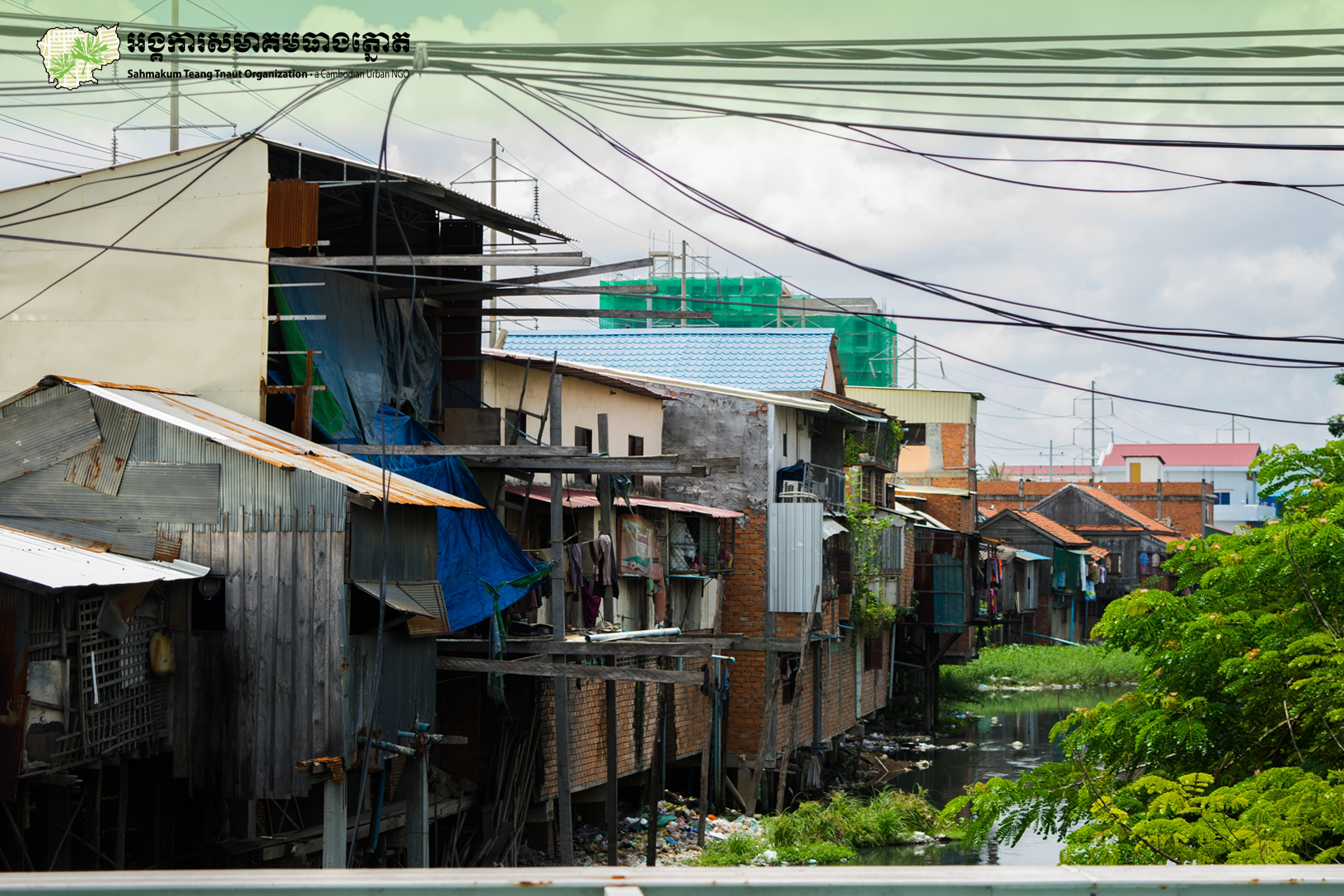
A study has found that housing projects in Cambodia are experiencing a growing gap between the supply of affordable housing and the high demand of Phnom Penh residents. In fact, it is estimated that between 60% and 70% of Phnom Penh residents cannot afford to buy houses for sale at current market prices[5]. This data shows great concern and requires close attention from the government, the private sector, and banking institutions. In addition, the lack of affordable housing may lead to more people in Phnom Penh experiencing housing shortages while the housing demand by 2030 (just 5 years away) of Phnom Penh residents is already very high.
The lack of affordable housing in Phnom Penh presents several major challenges that indirectly and worryingly affect citizens, the national economy, urban planning, and social stability. These problems may be exacerbated by rapid urban development, where the real estate market is primarily focused on high-end residential development projects, usually only rich households can afford. In addition, the lack of affordable housing will be a major factor leading to an increase in the number of settlements in unorganized areas and may force some more people to buy homes or cheap land without legal ownership documents. These contribute to the lack of affordable housing and limited knowledge among citizens regarding laws that establish the legality of real estate. And it’s important to note that these areas often lack basic services such as clean water, sanitation, proper drainage and electricity, making their lives even more difficult[6].
In the context of increasing settlement in unorganized areas, it will certainly lead to forced evictions, which we have seen happen frequently in Phnom Penh in the past. Of course, as cities develop, land prices will steadily increase, informal settlements and even some formal communities become targets for (forced) evictions to make way for new urban development projects. We have seen this situation clearly among the residents of the Samaki Rung community near Boeung Trabek[7] and the residents of Boeung Tamok[8] community. These evictions leave vulnerable families often without adequate compensation or relocation options. This has further pushed them into the underdeveloped suburbs or fall into a more uncertain situation[9], especially regarding income security and educational opportunities for children.
Health and sanitation issues are also a major concern. Overcrowding, poor sanitation, and lack of clean water are evident in informal settlements. This can lead to the spread of disease, creating poor health in the community, and increasing vulnerability, especially for women, girls, and children. In addition, children from displaced or informal communities often face disruption to their studies or a high chance of dropping out altogether.[10] This factor is caused by relocation, distance to a new school, or financial problems for the family. The most worrying thing is that the housing crisis will further divide our Cambodian society, increasing the class divide between the rich and the poor, leading to division and pushing low-income groups to the outskirts of cities, away from job opportunities, state services, and public recreational facilities. We can firsthand experience this, we can observe real-life examples of children in the city running around safely in the gardens in front of the Independence Monument and the Royal Palace. Children living in the suburbs run and play on the sidewalks and streets, facing danger from motorbikes and cars, because they live far from services and public parks.
A civil engineering and architecture student at the Royal University of Phnom Penh, who asked not to be identified, expressed both concern and optimism: “I am also concerned about the affordability of buying a house these days. The lowest house price is around $ 60,000. This price is very high compared to the income that my family and I can earn. Because today's youth, including me, don't want to live in a house with their family, we want to have our own house when we get married”. When asked about his plans to buy a house, the young man thought for a moment and then replied, “Maybe in the suburbs, far away. I think that if I have the money to buy a house, I might have to buy it in the suburbs and far away from my workplace, because houses in the city are expensive, which I can't afford. Even renting a room in the city is expensive these days. "I hope we don't have frequent power outages and water shortages there," he replied with a beautiful smile.
In an interview published by Khmer Times, H.E Say Samal, Deputy Prime Minister and Minister of Land Management, Urban Planning and Construction, said: “If three or four strategic partners help each other and collaborate on policy, we can implement Prime Minister Hun Sen’s call to ensure that all Cambodians have decent housing[11]”. The Deputy Prime Minister added: “The development of affordable housing represents a significant market opportunity that developers should focus on because there is a high demand[12].”
Having affordable housing in Phnom Penh will bring significant social and economic benefits that promote an equitable, productive, and a stable urban environment. Clearly, having affordable housing leads to better public health, access to adequate housing with proper sanitation, clean water, and direct ventilation will lead to improved public health, reduced rates of infectious diseases, and reduced mental health challenges for citizens. Under this condition, the state retains the national budget and fiscal funds for investment in other priority sectors.
In addition, having affordable housing in Phnom Penh will bring improved and affordable educational opportunities. Stable housing means that children and students are less likely to be displaced, have lower absenteeism rates, and are able to attend school consistently in the city, with a conducive environment for homeschooling and community-based learning. This allows children and students to fully participate in their studies with teachers and rich physical infrastructure, which is an important factor in building and strengthening Cambodia's human resources and skilled workforce for regional competitiveness.
Having affordable housing in Phnom Penh will also help reduce social disparities and increase community stability. Clearly, affordable housing helps reduce the gap between rich and poor in Phnom Penh, promoting a more inclusive and inclusive urban society. Additionally, secure housing tenure (through affordable housing policies) reduces forced and illegal evictions. These allow Phnom Penh residents to build stronger communities and social networks. Whether people live in apartments or modern housing developments, they can live with a shared vision and dream, without worrying about their social status, income, or residential location.
Affordable housing in Phnom Penh is also beneficial for economic growth and the national workforce. Citizens and workers who live in affordable housing near job centers will likely spend less time and money commuting which leads to higher productivity and increased income for families and investments for retirement. Affordable housing prices reduce financial pressure and allow residents of Phnom Penh to use their cash to pay for their living expenses, such as purchasing goods, improving the quality of food, which will help boost local businesses and trade. In addition, affordable housing policies will help create many jobs in the construction sector, which will help boost Cambodia's long-term economic activity and growth. In this sense, Cambodia can diversify its economy, which reduces the risk of relying solely on agriculture and the garment sector.
Investing in and ensuring access to affordable housing in Phnom Penh is not just a necessary and primary
measure. It is a long-term investment and an indispensable economic lifeline for Cambodia. To achieve sustainability and prosperity, the Royal Government, relevant ministries, and the private sector should consider the following key points:
Recommendation 1: Strengthen the role of financial institutions to provide long-term housing loans with reasonable interest rates in accordance with the law that can be affordable to low-income urban households. But the state must monitor and put in place mechanisms to ensure risk awareness among borrowers and provide flexibility to those who wish to borrow money to buy affordable housing.
Recommendation 2: Prioritize land tenure rights by accelerating and ensuring transparent land titling processes for existing poor communities facing eviction. At the same time, the Royal Government of Cambodia and development partners should prioritize investments in basic infrastructure (water, sanitation, electricity, roads) in poor communities and housing sites in underdeveloped areas to ensure livable conditions for citizens.
Recommendation 3: The government should allocate a budget or collaborate with the private sector and financial institutions to develop affordable housing for low- and middle-income individuals. These homes should be offered at low prices, with long-term payment plans, low interest rates, and minimal guarantee requirements. The housing must be durable and meet standard quality benchmarks, comparable to general residential developments.