 English
 ខ្មែរ
ខ្មែរ
Transforming Challenges into Solutions: Veal Sbov’s Fight for Fair Waste Management
In the heart of Prek Thom 1 Village, Sangkat Kbal Koh, Khan Chbar Ampov, Phnom Penh, the Veal Sbov community home to 91 families, totalling 405 people, including 210 women has faced significant challenges since its establishment in 2009. Among the persistent issues of flooding, and economic hardship, one problem has weighed heavily on this resilient community: the burden of unpaid trash collection bills (around 75$ to 100$ each family). For years, families struggled to afford the $2.50 monthly fee per household charged by the waste collection service, leading to mounting debts that became a source of anxiety for many.
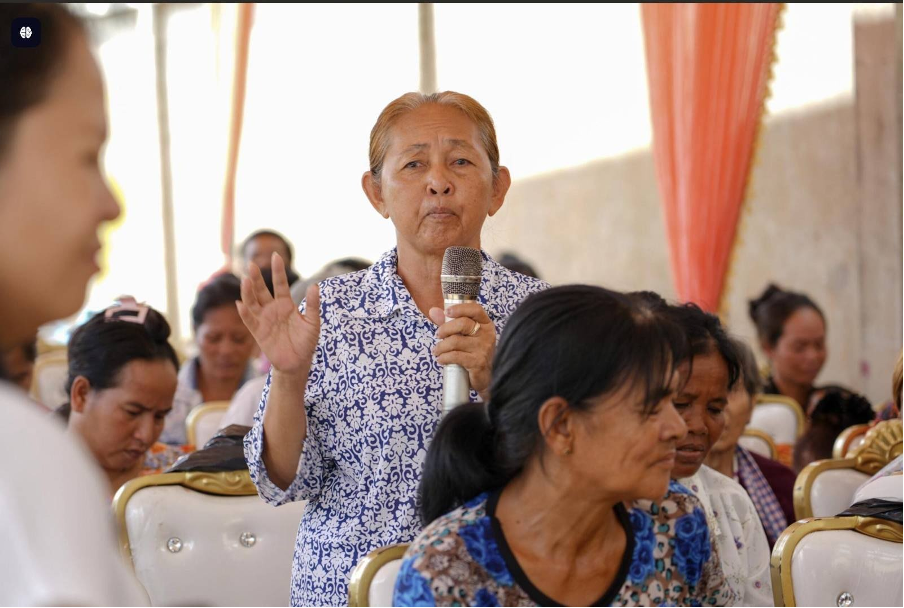
Figure 1- Veal Sbov community members expressing their concern at the forum
In 2024, Sahmakum Teang Tnaut Organisation (STT), dedicated to supporting urban poor communities, conducted a comprehensive study titled Phnom Penh Solid Waste Management in 2024. This research spanned six Khans and 15 villages in Phnom Penh, engaging around 200 interviewees. The study highlighted the struggles of Veal Sbov, particularly their concerns about unaffordable waste management services and accumulating debts. For a community where 36% of residents are rubbish collectors, 23% are factory workers, and many others rely on low-income jobs like tuk-tuk driving or small-scale businesses, the financial strain of these debts was overwhelming.
Determined to address this issue, STT facilitated a critical forum on April 25, 2025, titled Waste Collection Service Debt in Veal Sbov Community. The event brought together 65 participants, including 50 women, alongside representatives from STT, Chbar Ampov District authorities, CINTRI, and the Enterprise for Managing Municipal Solid Waste in Phnom Penh (EWP). The community voiced two clear demands: the cancellation of their longstanding debts, which had accumulated since early 2021, and a reduction in the $2.50 monthly trash collection fee, which was unaffordable for many households. They also requested clear guidelines from the waste management company on how to manage monthly payments moving forward.
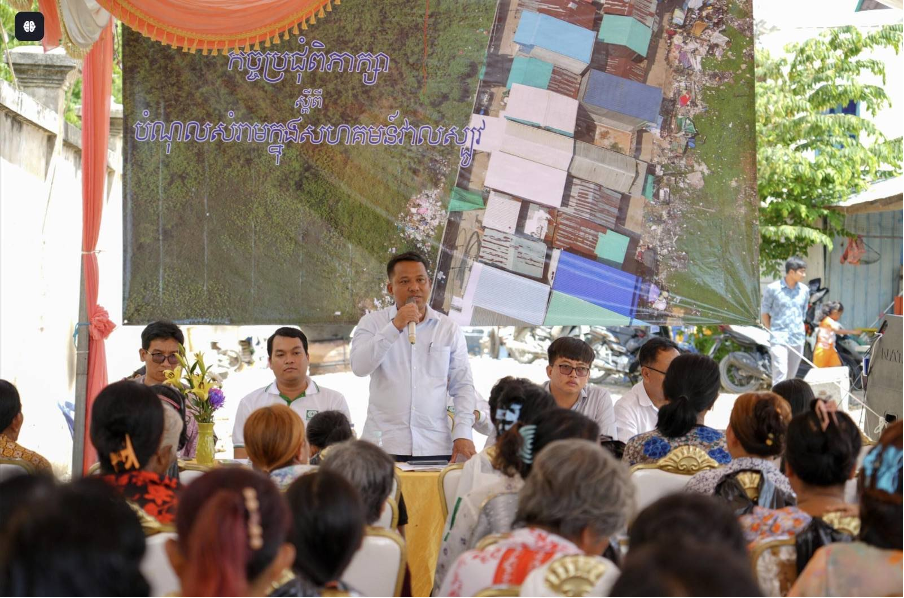
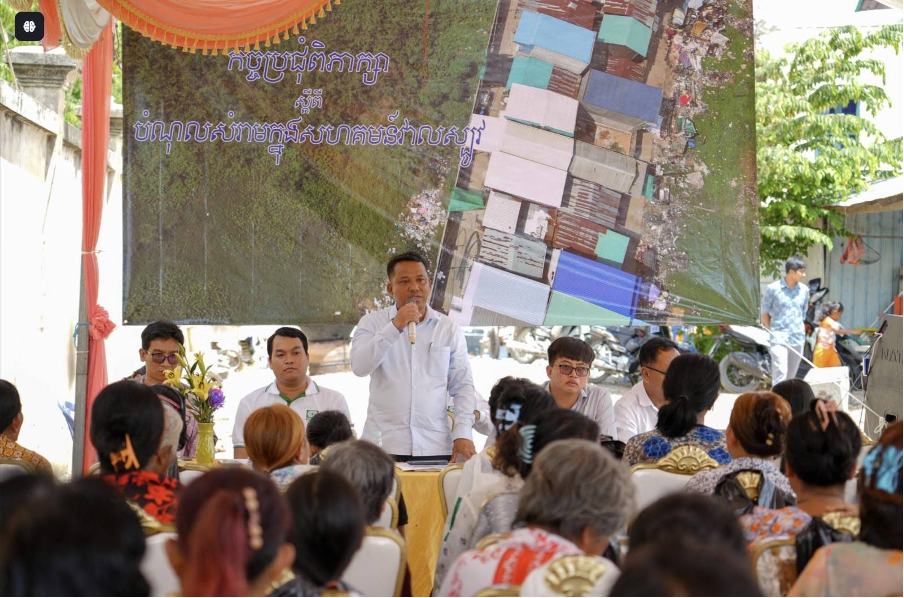
Figure 2- Khan deputy leader speaking at the forum
The forum was a positive turning point. Community members, empowered by STT’s prior interventions—such as land law training, advocacy workshops, and ICT skills development—spoke confidently about their struggles. Miss Chhi Hab, a resident of Veal Sbov, shared the community’s hope following the discussion: “His Excellency at the solid waste management enterprise promised that they accept the community problem, and he will provide a solution to us as soon as possible...”
In response, a senior official from EWP recommended that the community leader compile essential documents—electricity invoices, ID cards, and a formal letter requesting debt reduction or cancellation—to submit to their office. This guidance offered a clear path forward, demonstrating EWP’s willingness to collaborate with the community to find equitable solutions. The forum not only amplified Veal Sbov’s concerns but also showcased their growing ability to advocate for themselves, a skill honed through STT’s support, including exchange visits and quarterly meetings with other communities.
STT’s broader interventions since 2022 have already transformed Veal Sbov’s landscape. The installation of 15 solar streetlights, a 93-meter drainage system, a 90-meter road, and a 15-meter wooden bridge in 2023 addressed critical infrastructure needs, while training on waste management and climate-smart design empowered residents to tackle environmental challenges. Alongside STT, other organizations have also supported Veal Sbov by promoting education, small business development, health, hygiene, and gender equality.
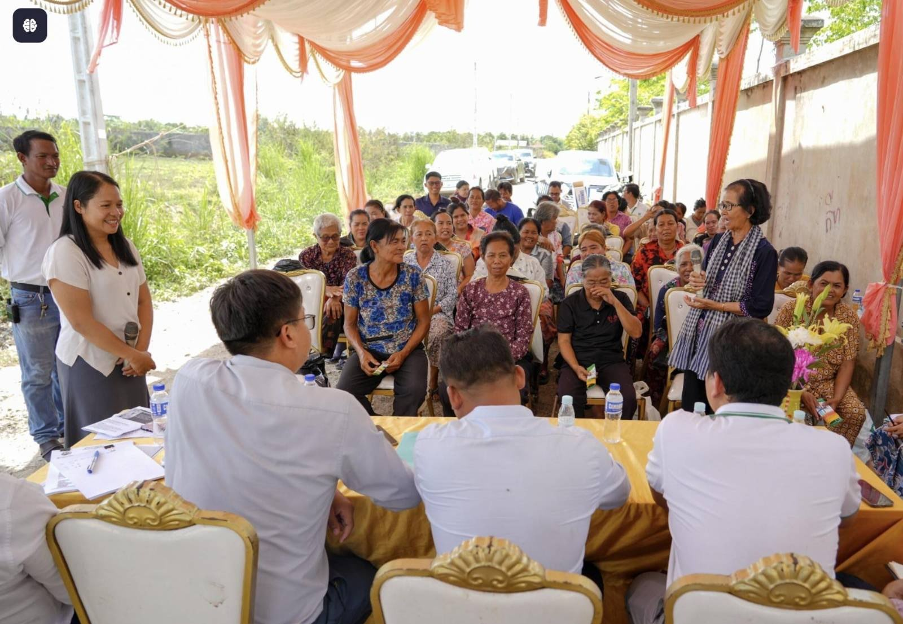
Figure 3 - Community members were given the opportunity to discuss their problems directly to key stakeholders and the private sector. The event was facilitated by STT
The forum’s outcomes mark a significant step toward resolving Veal Sbov’s waste management challenges. By fostering dialogue between the community and authorities, STT has helped transform a source of financial stress into an opportunity for collaboration and change.