 English
 ខ្មែរ
ខ្មែរ
The Story of Women Activists: Challenges, Remedies, and Advancements
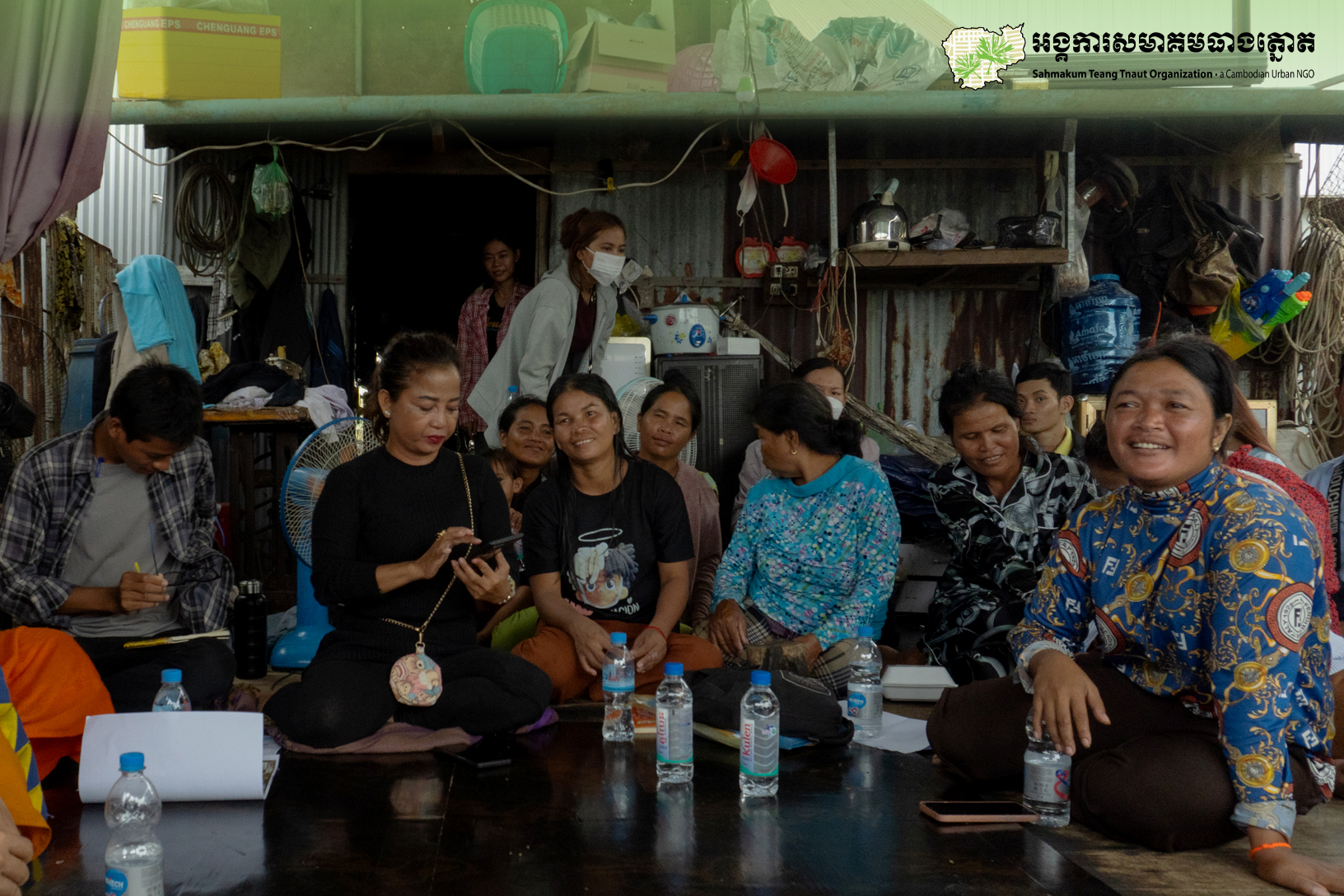
On the occasion of International Women's Day, March 8, 2025, the Sahmakum Teang Tnaut Organization has published a short research article reflecting the perspectives of our young researchers under the topic "Challenges, Solutions, and Future Directions of Women Land Activists." This article explores the experiences of four women land activists, focusing on their struggles to safeguard their land and housing, while offering solutions for others facing similar challenges. Since 2012, Mrs. Keo Bopha, a prominent land activist, has been at the forefront of land protection efforts. Communities like Boeung Kak, Borei Keila, and the airport community have been severely impacted by forced evictions due to various development projects. Bopha's consistent commitment has been crucial in assisting and supporting these communities, including her own, the newly affected railway community.
In an interview with STT, Ms. Bopha shared the challenges she faces as a woman advocating for land rights. Other female land activists echoed the issues Bopha encounters. These women often struggle to balance their family, community, and governmental responsibilities with their advocacy work. Despite these challenges, female land activists continue to seek solutions and persist in their important advocacy efforts.
Support for Families and the Land
Historically, women have historically played a vital role in maintaining harmony within their families and communities, a responsibility that drives them to speak out when their homes, lands, and livelihoods are threatened. This is evident in the actions of women land activists like Ms. Bopha, who have taken the lead in addressing property disputes involving powerful tycoons, corporations, and both domestic and foreign development projects. Regardless of the outcomes of these disputes, it is essential for the government to offer fair and peaceful resolutions that align with national and international laws, ensuring justice for all citizens, especially women.
n a land dispute with KDC, Oum Sophy, a Lapeang community spokesperson, explained to CamboJA why she was fighting for land: "I just want my property back because farmers like us demand land for farming." She stated, "We do not want to live in such a chronic scenario since it is taking longer for us to find answers to land concerns, which is making our life more miserable.
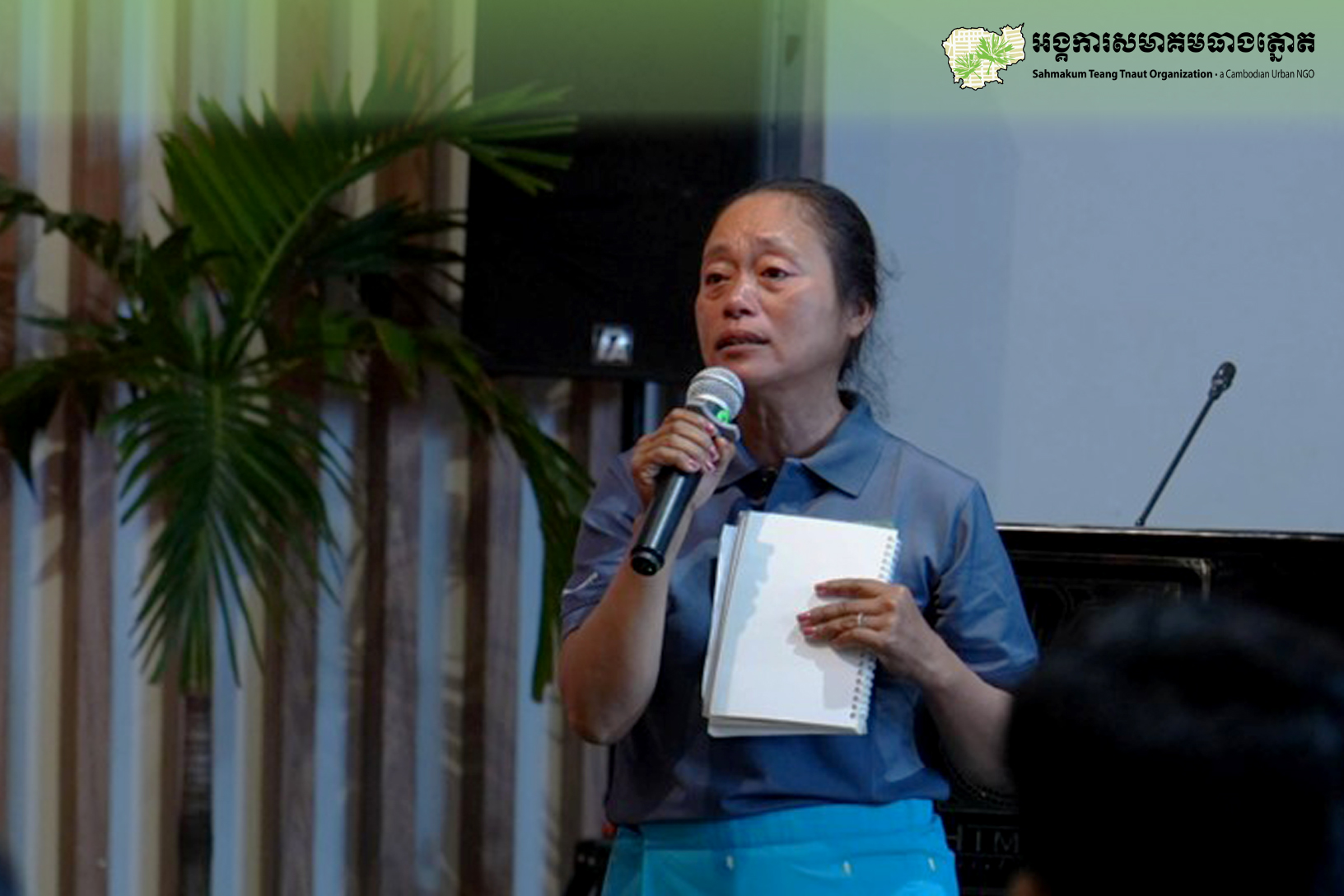
According to research, it can be difficult for women land activists to balance their advocacy activities with their responsibilities as spouses and mothers. An STT case study, highlights a female land activist's spouse forbade her from engaging in advocacy work, stating that "it does not have a good effect, only a negative one. You only get threats from the government."
In an interview with STT, Ms. Bopha highlighted that many women land activists have experienced divorce, partly due to the pressures of their advocacy work. Her own family also discouraged her, viewing her efforts as too risky. Despite these challenges, Bopha remained steadfast in her passionate land advocacy, employing nonviolent protest methods to navigate her family's concerns and continue her mission.
Advocacy for the Community and for the Land
It is extremely difficult for women land activists to get involved in community advocacy initiatives, particularly in areas where people are still ignorant of their fundamental rights and the intricacies of the land law.
In 2015, Ms. Bopha's own railway community was threatened with eviction because of a Asian Development Bank (ADB) project. She admitted that she struggled to persuade her neighbors to join the advocacy efforts. Many of them are unaware of their rights and hesitant to act because they fear government oppression.
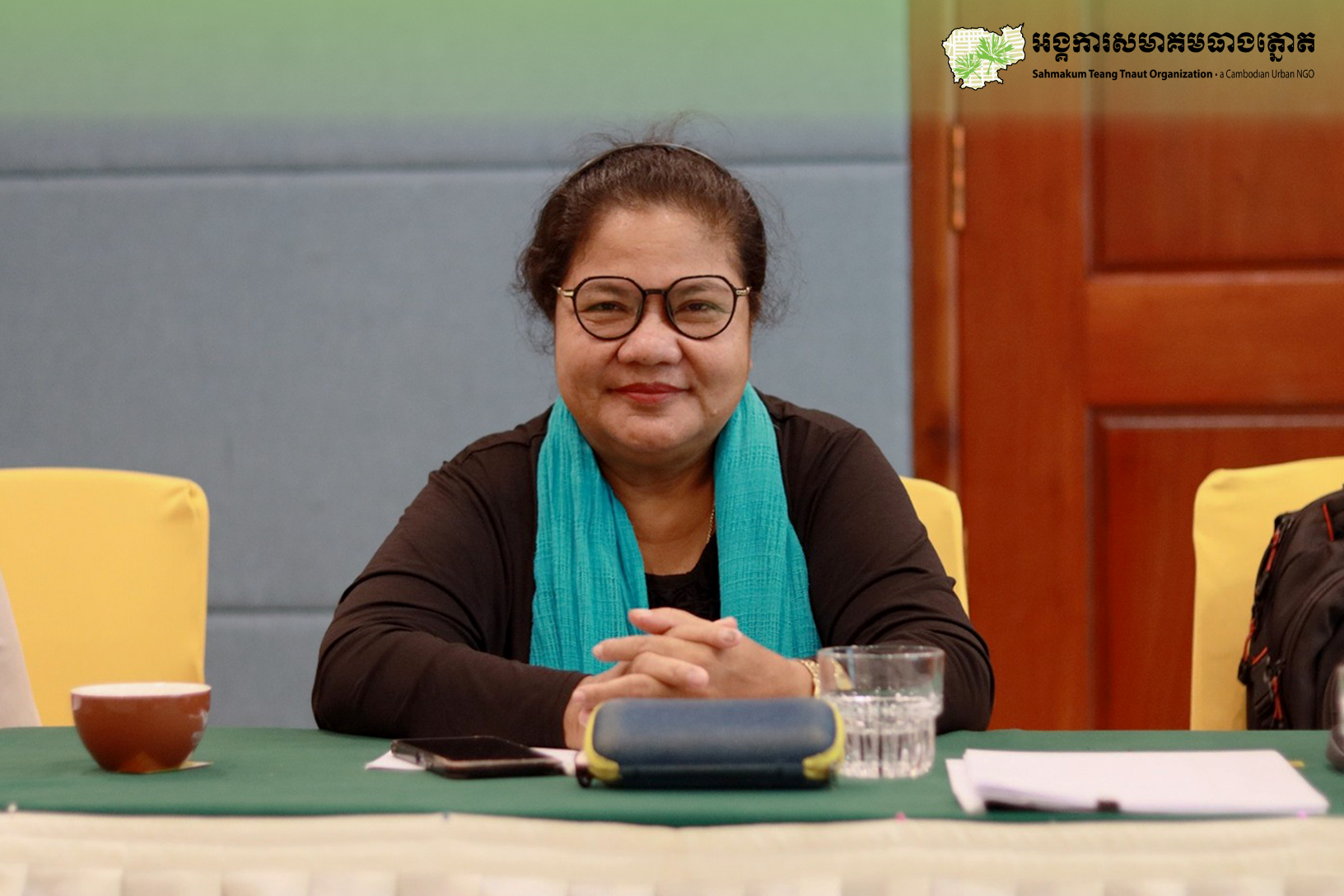
Ms. Bopha explained how she uses various strategies to unite her community and engage them in land activism. She personally visits families facing land issues, bringing food and dessert to foster discussions about land disputes. Bopha emphasized the importance of collaboration and coordinated advocacy strategies in supporting her community. She cited a Khmer proverb, "A handful of chopsticks does not break," to illustrate the strength found in unity. She stressed the necessity of obtaining community members' consent before compensation is paid and highlighted the importance of equal participation between community members and their representatives.
Advocates and Authorities
Women land activists may find it difficult to cooperate with the government since they are frequently the targets of abuse and violence from them.
A UN report claims that harassment and violence against female human rights advocates and land activists is common. For instance, 19 female land activists from Boeung Tamok were accused of "intentional assault and obstruction of public officials" earlier this year. Among the 19 women land activists, Prak Sophea had concerns about whether it was appropriate for them to face physical violence from the authorities. She went on to say that the law was made to shield them and other female land activists from mistreatment by the government.
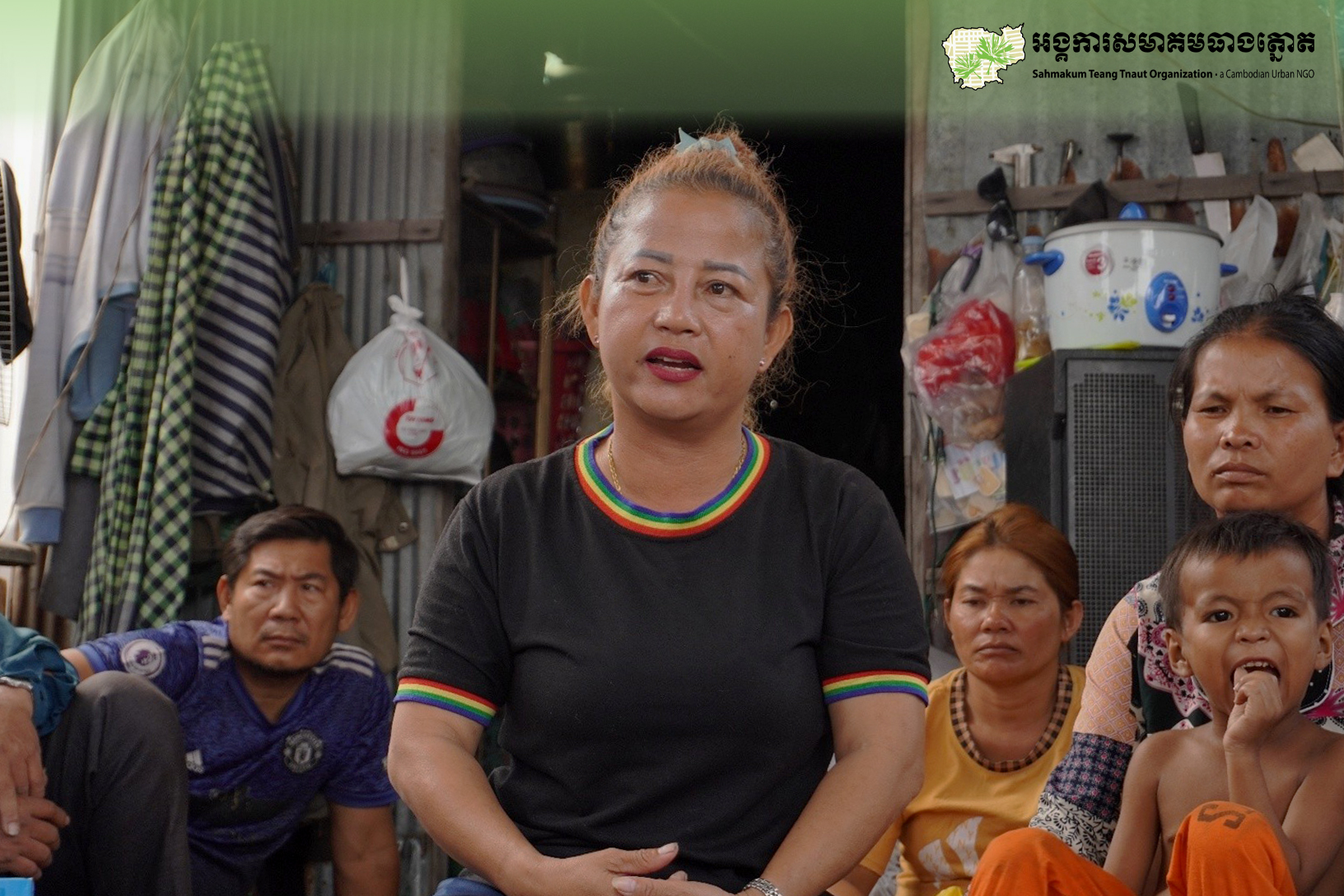
Bopha, familiar with the challenges of advocacy, shared her experience of leveraging media influence and dealing with law enforcement's strategies and intimidation. She invited journalists to a protest rally she attended, ensuring that her situation was reported to the public and non-governmental organizations.
In response to discrimination and uncooperative authorities, Bopha initially used polite diplomacy, encouraging local authorities to see the community as partners, serving as their "eyes and ears." She emphasized that local governments have a duty to serve the people. If cooperation fails, she resorts to direct protests at local government offices as a form of pressure.
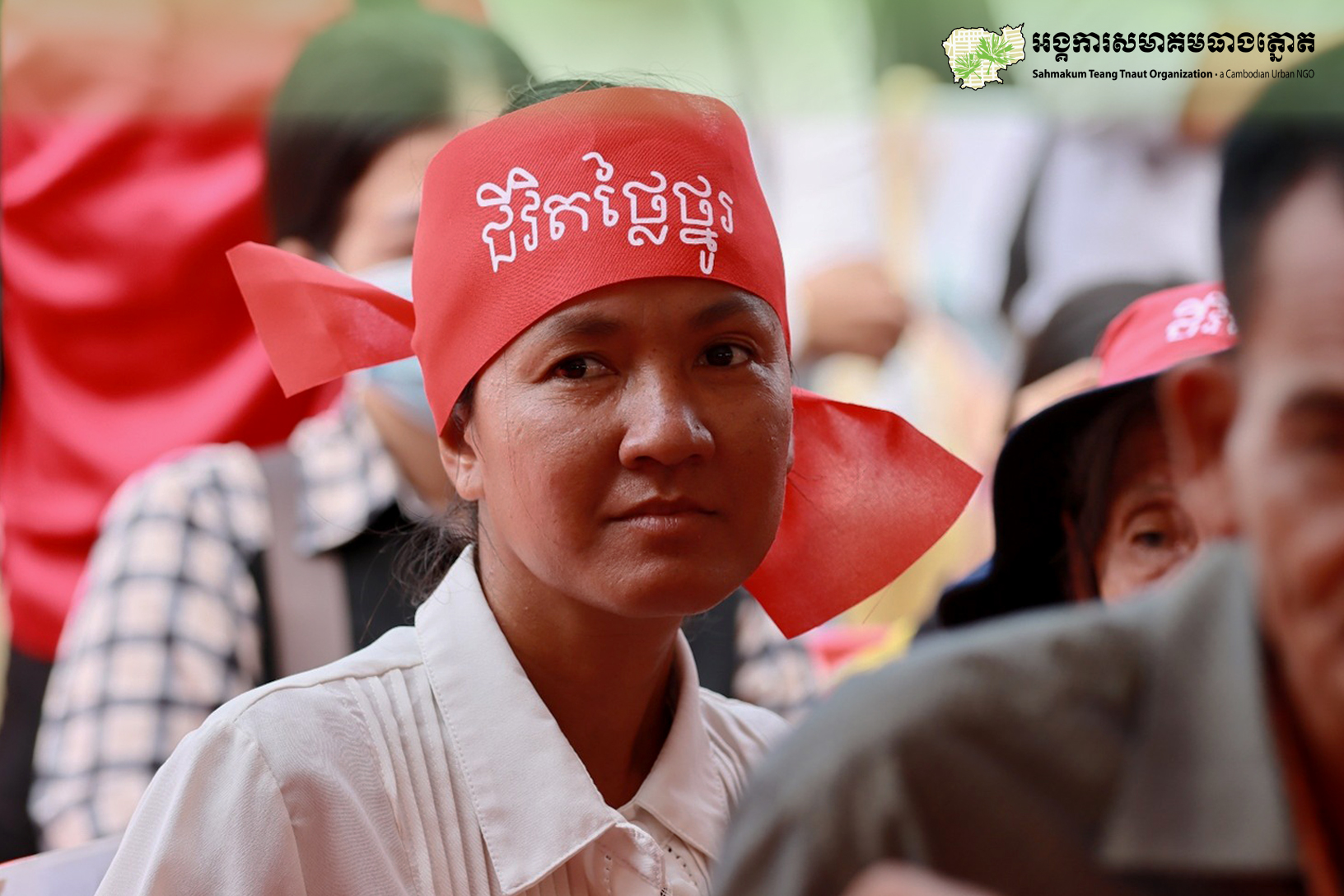
Ms. Sia Davy, aged 43, stepped up as the head of her family to protect their land and home during the filling of Boeng Tamok Lake since 2020. She now faces two criminal charges related to her activism.
Ms. Sia Davy is one of three citizens sued by the Prek Pnov district authorities for allegedly assaulting public officials and intentional violence with aggravated circumstance related to an incident involving "wooden stick used toward a team of district administration that was organizing public orders " on 9th May 2023.
Ms. Sia Davy claims that she suffered all kinds of hardships during the filling of Boeng Tamok. Her family lost their livelihood, leading to decreased income, loss of food sources, loss of farming land, and especially facing legal harassment. She added, "From childhood until now, I have never fought with anyone, and my participation in defending my home has resulted in two lawsuits against me. It’s very heavy for me as an ordinary citizen."
Ms. Sia Davy asserts that the Prek Pnov district authorities promised to provide a land title for the new house to her family, but they have not yet received them. She said: "Throughout this demand, I have experienced a lot of pressure; my heart longs to live in this old house. I accepted this new place because I ran out of options. I request that the authorities provide me with the land title document and all necessary legal documents for us, especially not to evict us again."
Conclusion
We have seen that the majority of demonstrators are women, indicating that forced evictions is a gender issue. Women suffer greatly from the repercussions of forced evictions since they are the ones who look out for family peace and defend their right to be included in land planning and development.
As low-income urban women, mothers, and human rights advocates, these women are compelled to speak out when their homes and lands are forcibly taken. Facing challenges at home, in their communities, and with authorities, their struggles to protect their land can have devastating impacts on their lives.
It's crucial to address the barriers faced by these women land activists, recognizing their vital role in resisting forced evictions, displacement, intimidation, and unjust prosecutions. Creating a network of women land activists allows them to share safety information and advocacy techniques. With the support of non-governmental organizations (NGOs) involved in land issues, these women can organize and strengthen their collective efforts through lobbying and coordinated action.
NGOs play a vital role by establishing support groups that provide financial and psychological assistance, catering to the demands of land advocacy in both private and professional spheres. By ensuring their well-being and self-care, NGOs offer crucial support alongside financial and technical aid.
While some cases have been resolved, it remains imperative for authorities and the government to provide peaceful and fair solutions, aligned with national and international laws and the Sustainable Development Goals:
Goal 5: Gender Equality emphasizes eliminating discrimination and violence against women and girls, ensuring equal opportunities in all life areas, and enacting strong legal measures against violence and harassment, particularly for poor women in urban and rural areas.
Goal 11: Sustainable Cities and Communities focuses on creating inclusive, safe, resilient, and sustainable cities. Cambodia should halt evictions, enhance security of tenure, and support adequate housing by recognizing and including small-scale rural farmers, especially women, in social protection policies, skill training, and funding.